Oil Giants Under Fire: Profiteering Amidst Middle East Conflict?
The drums of conflict in the Middle East have long reverberated beyond battlefields, often sending economic tremors across the globe. Recent escalations, particularly the reported attacks by Israel and the USA on Iran, have ignited fresh anxieties, hitting consumers directly in their wallets. A key point of contention has emerged in Germany, where fuel prices have surged dramatically, sparking accusations of profiteering against major oil corporations. This article delves into the economic fallout, government reactions, and what these soaring costs mean for ordinary citizens and the wider German economy.
The Geopolitical Spark: Immediate Market Reactions and Rising Costs
The recent intensification of the Middle East conflict has immediately unsettled global markets. Geopolitical instability in a region critical for oil production and transit routes, such as the Strait of Hormuz, inevitably triggers fears of supply disruptions. These anxieties quickly translate into higher crude oil prices, which in turn ripple through the entire supply chain, eventually reaching the petrol pumps and heating oil distributors.
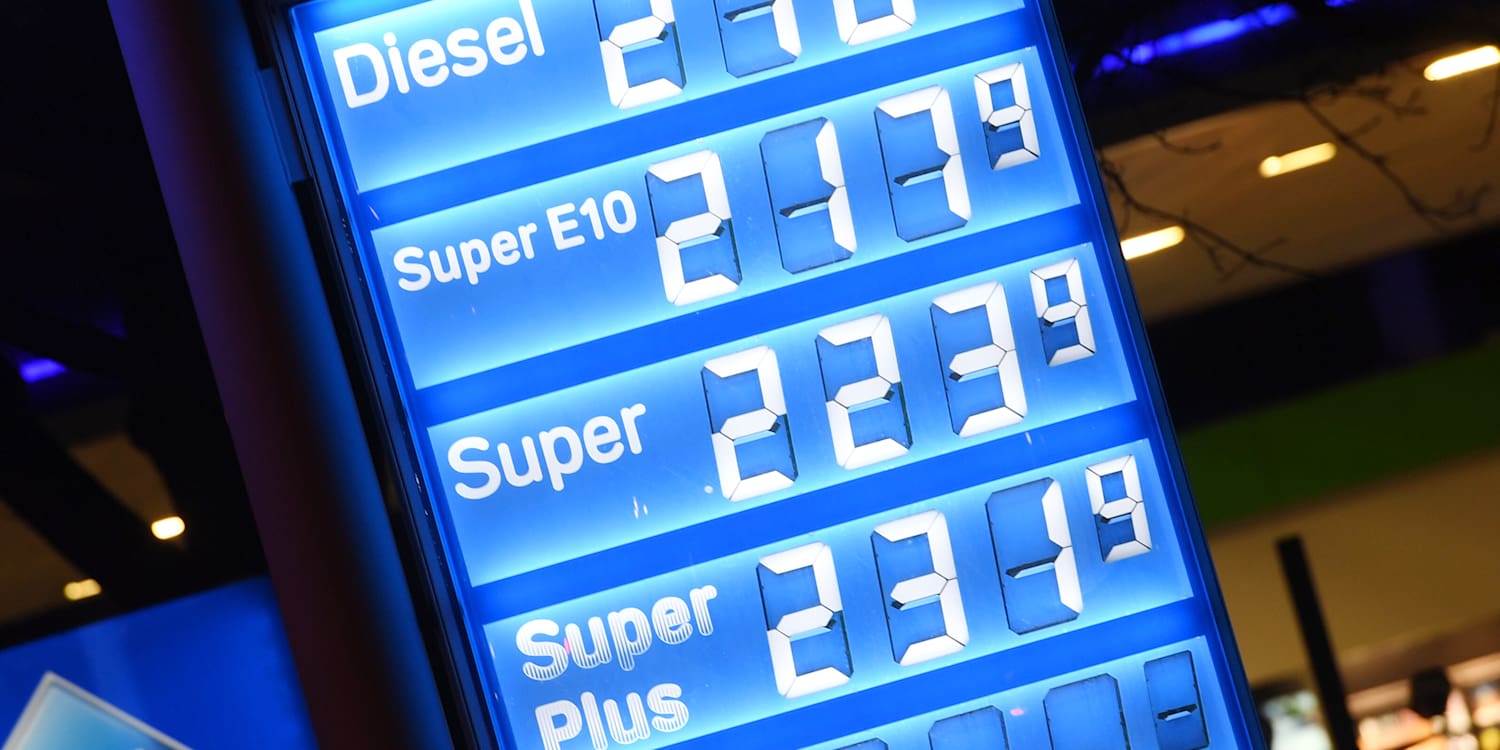
In Germany, the effects were almost instantaneous. Following the reports of new military actions, fuel prices began a sharp ascent over the weekend, accelerating significantly into the start of the week. According to ADAC data, the nationwide average price for a litre of Super E10 reached €1.794 on Sunday, marking a 1.6 cent increase from Friday and its highest point since May 2024. Diesel saw an even steeper rise of 1.3 cents from Friday to Sunday, hitting €1.759 per litre – a level not seen since April 2024. The acceleration continued into Monday, with ADAC fuel market expert Christian Laberer noting price increases of "three to four cents," potentially pushing diesel prices to their highest since 2023.
Beyond the immediate pump shock, the broader economic consequences are a serious concern. Higher oil prices act as a substantial burden for consumers, who face increased costs for daily commutes and household heating, and for businesses, especially in export-oriented nations like Germany. This sustained upward pressure on energy prices inherently carries the risk of higher inflation, further eroding purchasing power and potentially slowing economic growth.
Government Scrutiny and Consumer Burden: The Profiteering Debate
Against this backdrop of rapidly climbing prices, political leaders in Germany have voiced strong criticisms and called for investigations into the practices of oil companies. Manuel Hagel, a leading CDU candidate, vehemently supported a review by the Federal Cartel Office (Bundeskartellamt), an initiative announced by Federal Minister for Economic Affairs Katherina Reiche. Hagel articulated the public sentiment, stating in a ZDF interview, "It must not be that multi-corporations, that the oil companies are now filling their pockets with this suffering, with this misery, at the expense of the people of Baden-Württemberg."
This sentiment reflects a widespread concern that, during times of crisis, certain industries might exploit market volatility for excessive profit. The Federal Cartel Office's involvement signals a serious governmental look into these allegations. However, it's important to note that the Cartel Office has already tempered expectations regarding the immediate impact or findings of their review. Investigating market pricing in complex, globally influenced sectors like oil is intricate and often lengthy.
Despite these concerns, the German government has simultaneously attempted to reassure the public. Just two days after the conflict's escalation, government spokesman Stefan Kornelius affirmed that Germany's oil and gas supply remained secure and diversified, with multiple sources preventing immediate shortages. Minister Reiche echoed this, stating that short-term supply problems were not anticipated. While this provides some comfort regarding availability, it does not alleviate the strain of higher prices on household budgets.
Navigating Volatility: Practical Tips for Consumers
While the geopolitical landscape remains uncertain, and investigations into pricing practices unfold, consumers are left to grapple with the immediate reality of higher costs. ADAC expert Christian Laberer suggests that relief might not be immediate, as rising oil prices typically impact fuel pumps very quickly, while falling prices often take longer to filter through. However, he also offered some practical advice:
*
Time Your Refills: Fuel prices tend to be cheaper in the evening hours compared to the morning. A little strategic planning can lead to noticeable savings over time.
*
Compare, Compare, Compare: In volatile times, price differences between individual petrol stations can be exceptionally high. Utilizing fuel price comparison apps and websites can help identify the best deals in your vicinity.
*
Consider Alternatives: For a deeper dive into how this conflict impacts German prices and what consumers might face next, read our related article:
Iran War Fuels German Prices: What Consumers Can Expect Now.
Beyond these immediate strategies, consumers can also adopt longer-term habits to mitigate the impact of fluctuating fuel costs:
*
Maintain Your Vehicle: Properly inflated tires, regular engine maintenance, and clean air filters can significantly improve fuel efficiency.
*
Adjust Driving Habits: Smooth acceleration and deceleration, avoiding excessive speeding, and minimizing sudden braking can lead to substantial fuel savings. Using cruise control on highways can also help maintain efficiency.
*
Evaluate Transportation Needs: Consider carpooling, utilizing public transport, cycling, or walking for shorter distances. These alternatives not only save money but also contribute to environmental sustainability.
*
Look Ahead: For those considering new vehicle purchases, exploring electric or hybrid options could offer insulation from future fossil fuel price spikes.
*
Home Heating Efficiency: Given the sharp rise in heating oil and gas prices, reviewing home insulation, optimizing heating system settings, and using smart thermostats can help reduce consumption.
For more detailed strategies on how to combat these rising costs at the pump, check out:
Skyrocketing Fuel Prices: Smart Tips to Save Money at the Pump.
Conclusion: An Ongoing Challenge for Economy and Consumers
The escalating Middle East conflict has undeniably cast a long shadow over the global economy, with rising fuel prices in Germany serving as a stark reminder of these interconnected challenges. While accusations of profiteering against oil giants are under official scrutiny by the Federal Cartel Office, the immediate burden falls on consumers and businesses. The government's reassurances regarding supply stability are welcome, but the economic strain of higher energy costs remains a pressing issue.
Looking ahead, the market volatility is expected to continue as long as geopolitical tensions persist. However, there is some hope for moderation in the medium term should the situation calm, especially with OPEC+ having announced intentions to increase production. For now, vigilance from authorities and strategic decision-making by consumers will be crucial in navigating this challenging economic landscape, ensuring that the burden of distant conflicts does not unduly impact everyday life.