Skyrocketing Fuel Prices: Understanding the Impact of Global Tensions
The rumble of global events often sends ripples far beyond their immediate epicentre, and few sectors feel this impact as acutely as energy markets. Recent escalating tensions in the Middle East have once again demonstrated this interconnectedness, causing a significant surge in fuel prices across Germany and beyond. Consumers are grappling with the reality of soaring petrol and diesel costs, directly influenced by the wider geopolitical landscape, especially the Middle East conflict's impact on fuel prices. Understanding the root causes and adopting smart strategies is now more crucial than ever for households and businesses alike.
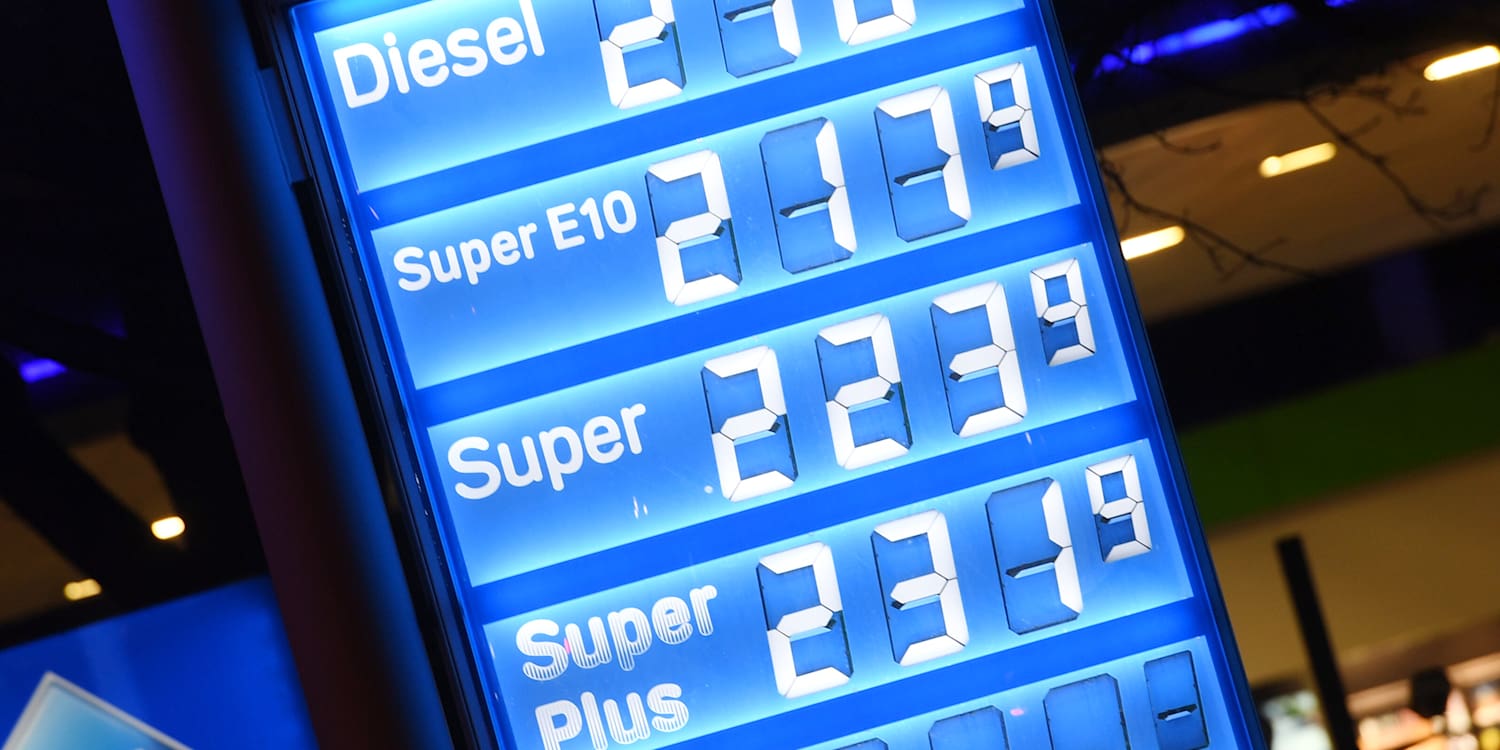
The conflict, particularly the aftermath of military actions in the region, has sent shockwaves through the oil market. Prices at the pump, which had already been subject to various pressures, have spiked dramatically, pushing past the two-euro-per-litre mark in some areas for gasoline. Diesel and heating oil have followed suit, signaling a challenging period for consumer budgets. While governments assure supply stability, the immediate financial strain on everyday life is undeniable. This article delves into the causes behind the current price hikes and, more importantly, offers practical, actionable advice to help you navigate these financially turbulent times.
The Global Ripple Effect: Why Fuel Prices Are Soaring
The current surge in fuel prices is a direct consequence of heightened geopolitical instability in the Middle East. Events such as the Israeli and U.S. actions against Iran, often referred to as the "Iran War" in some contexts, have introduced a significant level of uncertainty into the global oil supply chain. The region is home to some of the world's largest oil producers and critical shipping lanes, making any disruption or threat of disruption a catalyst for price increases.
The Strait of Hormuz: A Bottleneck for Global Energy
One of the most significant factors is the potential for blockades or disruptions in vital maritime routes, most notably the Strait of Hormuz. This narrow waterway, situated between Iran and Oman, is a crucial chokepoint through which a substantial portion of the world's seaborne oil passes. Any threat to its free passage immediately triggers fears of supply shortages, driving up crude oil prices on international markets. Even the mere prospect of prolonged conflict or an escalation of hostilities can cause traders to speculate, pushing prices higher almost instantly.
Direct Impact on German Consumers
The consequences of this global uncertainty are felt acutely at German filling stations. Following the initial attacks, average prices for Super E10 gasoline jumped significantly, reaching levels not seen in months. Diesel prices mirrored this trend, experiencing sharp increases over a short period. Experts from organizations like ADAC noted daily price accelerations, with projections suggesting diesel could hit its highest price point in years. Beyond petrol and diesel, heating oil and natural gas have also seen dramatic price hikes, impacting household energy bills. For an export-oriented nation like Germany, these higher energy costs represent a substantial burden on both consumers and businesses, raising the specter of increased inflation and potential economic slowdown.
Political Scrutiny and Consumer Concerns
The rapid escalation of fuel costs has not gone unnoticed by political leaders and consumer advocates. The public outcry over what many perceive as excessive profiteering during a crisis has prompted calls for greater oversight and intervention.
Calls for Intervention and Cartel Office Review
Leading political figures, such as CDU candidate Manuel Hagel, have openly criticized multinational oil corporations, accusing them of exploiting the current crisis to inflate profits at the expense of ordinary citizens. This sentiment resonated widely, leading Federal Minister of Economics Katherina Reiche (CDU) to announce a formal review by the Federal Cartel Office. The aim was to investigate whether anti-competitive practices or price gouging were contributing to the dramatic price increases.
However, the Federal Cartel Office has since tempered expectations regarding the immediate impact of such a review. Market dynamics, global oil prices, and currency fluctuations are complex factors that often drive pump prices, making it challenging to isolate and prove deliberate price manipulation. While the government reassured the public that Germany's oil and gas supply remained secure and diversified, the political and public pressure on energy companies highlights a deep-seated concern about fairness and transparency in pricing during times of crisis. You can learn more about this by reading our related article: Oil Giants Under Fire: Profiteering Amidst Middle East Conflict?
Smart Strategies to Combat High Fuel Costs
While the broader geopolitical and economic forces are largely beyond individual control, there are numerous practical steps consumers can take to mitigate the impact of high fuel prices on their wallets. Being proactive and mindful of your driving and refueling habits can lead to significant savings over time.
Optimizing Your Driving Habits
- Smooth Driving: Aggressive driving—rapid acceleration, hard braking, and excessive speed—consumes significantly more fuel. Adopt a smooth, consistent driving style. Anticipate traffic and avoid unnecessary stops and starts.
- Maintain Optimal Speed: Fuel consumption increases disproportionately at higher speeds. Stick to speed limits and, where possible, maintain a steady pace. Using cruise control on highways can help with this.
- Check Tire Pressure: Under-inflated tires increase rolling resistance, forcing your engine to work harder and consume more fuel. Check your tire pressure regularly and keep it at the manufacturer's recommended level.
- Reduce Excess Weight: Every extra kilogram in your vehicle requires more energy to move. Remove unnecessary items from your trunk or back seats.
- Limit Air Conditioning Use: Your car's AC compressor puts an additional load on the engine, increasing fuel consumption. Use it sparingly, especially during short trips, or try using the ventilation system instead.
- Plan Your Routes: Combine multiple errands into a single trip to minimize cold starts and reduce overall distance driven. Utilize navigation apps to find the most efficient routes and avoid heavy traffic.
Smart Refueling Strategies
- Fuel in the Evenings: According to experts like ADAC's Christian Laberer, fuel prices typically tend to be lower in the evenings than in the mornings. This daily fluctuation can offer small but cumulative savings.
- Compare Prices: In volatile times, price differences between gas stations can be substantial. Use fuel price comparison apps or websites to find the cheapest petrol stations in your vicinity before you fill up. A few cents per litre can add up quickly.
- Don't Wait Until Empty: While not a direct saving, running your tank to empty can put strain on your fuel pump and might leave you stranded. It also removes your flexibility to shop for better prices.
Vehicle Maintenance and Alternatives
- Regular Maintenance: A well-maintained engine runs more efficiently. Ensure your vehicle receives regular servicing, including oil changes and air filter replacements. A clogged air filter can significantly reduce fuel economy.
- Consider Alternatives: For shorter distances, consider walking or cycling. For commuting, explore public transportation options or carpooling schemes. These not only save on fuel but also reduce wear and tear on your vehicle and contribute to a greener environment.
- Long-Term Switch: If feasible, consider the long-term benefits of an electric or hybrid vehicle, which can drastically reduce or eliminate your dependence on fossil fuels.
Looking Ahead: What's the Outlook for Fuel Prices?
The future trajectory of fuel prices remains uncertain and largely dependent on the evolving situation in the Middle East. While rising oil prices are typically reflected at the pump very quickly, any potential decline tends to take longer to materialize. Experts suggest that if the region calms down and global oil prices ease, there could be hope for more moderate prices in the mid-term. Additionally, announcements from organizations like OPEC+ about increased production quotas could eventually help stabilize the market by boosting supply.
However, the inherent volatility of geopolitical events means that rapid improvements are not guaranteed. Consumers should prepare for continued fluctuations and adopt the aforementioned strategies as ongoing habits rather than temporary measures. The current climate underscores the importance of energy efficiency and diversification away from fossil fuels in the long run.
Conclusion
The current surge in fuel prices, driven by the escalating Middle East conflict, presents a significant challenge for consumers and the economy. While the wider geopolitical landscape dictates global oil prices, individual actions can make a tangible difference to personal finances. By adopting smart driving habits, comparing prices, and exploring alternative transportation, you can effectively navigate these turbulent times. Staying informed about market trends and government responses is also key to understanding the evolving situation. Ultimately, being proactive and mindful of your energy consumption is the most reliable way to save money at the pump, regardless of global events.